 800-861-9372

The narcotics effects you may experience can range from mild to severe. After regular use of the drug, you may become addicted.
Narcotics Effects on the Body
Get Help Now 800-934-1582
 Sponsored
Sponsored
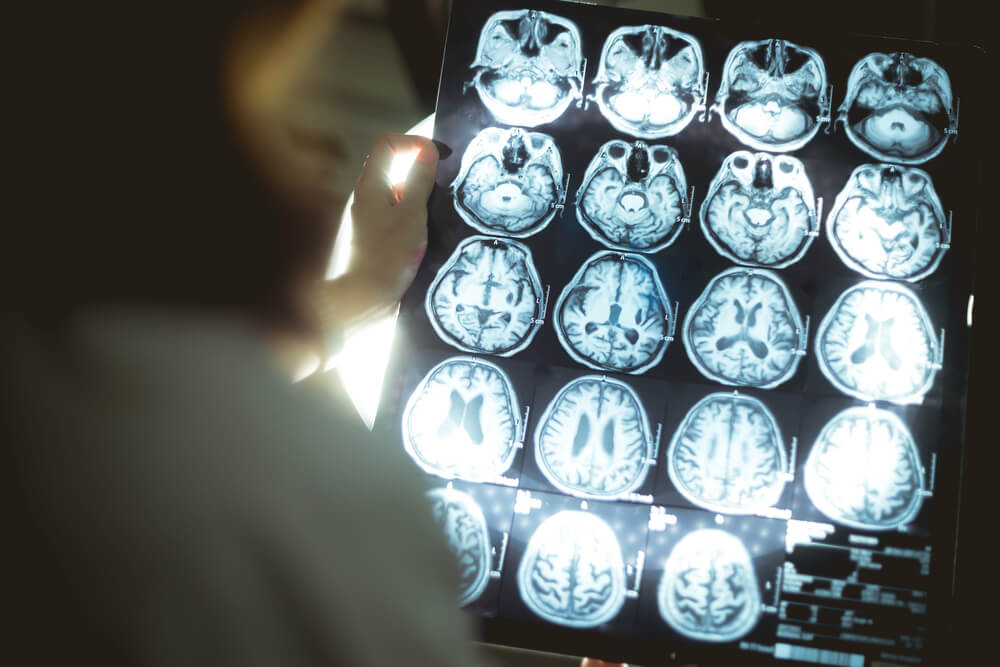
The increasing number of narcotics-related emergency room visits speaks volumes on narcotics effects on us all. In 2024, emergency department visits across the U.S. reached a total of 8,378,593 admissions, according to the Substance Abuse & Mental Health Services Administration. Of those cases relating to opioids over 37% came from prescriptions and 29% came from fentanyl alone.
Narcotics effects on the body can range from mild to severe at any given time depending on the user’s health and how long they’ve been taking drugs. Over time, narcotics weaken body and independent brain functions, leaving a person completely addicted to the drug.
Brain and Body Effects
Narcotics is a class of drugs derived from the opium plan and come in the form prescription drugs and street drugs. Some commonly used narcotics are the following:
- Meperidine
- Heroine
- Codeine
- Hydrocodone
- Morphine
Ultimately, any narcotics effects that a person experiences originate in the brain. When a narcotic drug enters the brain, it disrupts the brain’s biochemical processes to the point where major body processes are altered. Narcotics typically have an overall sedative effect, and slowed heart rate, slowed breathing, and decreased appetite can result.
Dependency

When used over time on a regular basis, you become dependent on the narcotic for daily living. At this point, the brain and body are unable to carry out normal functions without drugs in the system. The continued effects of narcotics on brain receptors eventually block normal endorphin secretions in the brain. Since endorphin secretions are the body’s natural pain-killer chemicals, the brain and body lose their ability to feel calm, happy or relaxed without the presence of narcotics.
Dependency becomes most apparent in cases when a person doesn’t take drugs for a while. Under these conditions, you can experience the first signs of withdrawal, like breathing problems, irritability, disorientation, sweating, and physical discomfort.
Addiction
While dependency creates the overall craving for narcotics, the effects of addiction appear in the user’s everyday life. Once a person reaches the point where getting and using the drug takes priority over everything else, addiction has set in. Close relationships, friendships, alongside work and family obligations begin to fall by the wayside.
As narcotics become the number one priority in life, a person’s appearance may start to deteriorate in terms of cleanliness and overall health. Narcotics effects may also drive a person to engage in reckless behaviors while using or when trying to “score” more drugs.
Long-Term Effects
Over time, drug use causes long-term damage to the brain’s endorphin receptors. When functioning normally, endorphin secretions enable a person to stay calm and relaxed. These same secretions also help regulate bodily processes. Narcotics basically shut down normal receptor function, leaving the brain with a perpetual craving for drugs, even after a person has stopped using. These changes inevitably affect how a person thinks and behaves, and it can take years before brain functions go back to normal.

Long Term Effects of Narcotics Abuse
Long term use and abuse of narcotics can have a number of consequences for the health and well-being of users.Physical long-term narcotics effects can bring about permanent damage to the liver and kidneys. When the user injects or shoots up narcotics, the risk of ongoing bacterial infections in the blood and heart valves also increases.
If you or someone you love needs help for a narcotics use disorder, call 800-934-1582(Sponsored) now to be connected with treatment centers in your area.
the Take-Away